

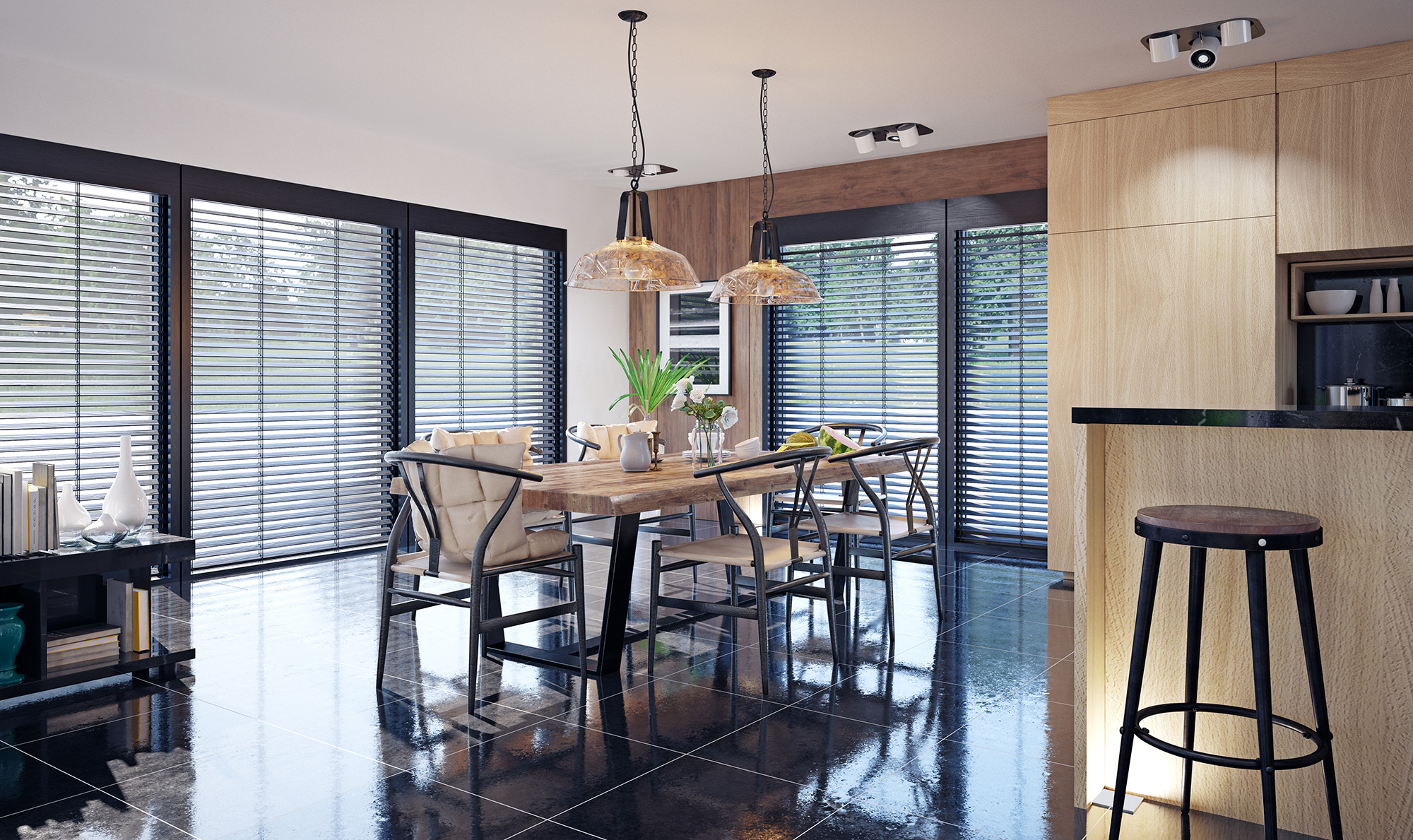
Kitchen tile can do more than protect your walls and floors. The pattern you choose can help bring your cabinets, countertops, and other finishes together. Whether your Banner Elk home has a rustic mountain style, a modern design, or a traditional kitchen, the right tile pattern can create a space that feels balanced and welcoming.
Before choosing a pattern, explore the tile flooring and design options at A Flooring Outlet, Inc. and consider how each style will work with your existing finishes. If you need help narrowing down your choices, you can also contact the team for assistance.
Consider the Style of Your Kitchen
Your kitchen's overall design is a useful starting point when comparing tile patterns. If you have natural wood cabinets, stone countertops, or other rustic details, a simple pattern can complement those features without making the room feel too busy. Straight layouts and classic arrangements often work well in kitchens with plenty of natural materials.
For a contemporary kitchen, geometric patterns or clean, linear arrangements can create a more defined look. Traditional kitchens may suit familiar layouts that feel timeless. You do not have to match every detail perfectly. Instead, choose a pattern that supports the style you want to create.
Choose Between Classic and Decorative Patterns
Different tile layouts can change how your kitchen looks, even when you use tiles of the same color and material.
Straight Lay Pattern
A straight lay pattern places tiles in neat rows with aligned grout lines. It creates a clean appearance and works well when you want your cabinets, countertops, or decorative features to stand out. This layout is also a practical choice if you prefer a simple design that will work with changing kitchen decor.
Brick or Offset Pattern
An offset pattern arranges each row so the tile joints fall between those in the row beside it. This layout is commonly used with rectangular tiles and can add movement without overwhelming the room. It works particularly well for kitchen backsplashes where you want a little more visual interest than a straight arrangement provides.
Herringbone Pattern
A herringbone layout places rectangular tiles at angles to form a repeating zigzag design. It adds detail and can become a focal point behind a stove or along a backsplash. Because the pattern naturally draws attention, pairing it with understated tile colors can help maintain a balanced appearance.
Think About Tile Size and Grout Color
Tile size affects how a pattern appears across your kitchen. Smaller tiles create more grout lines and can make a backsplash feel detailed. Larger tiles generally produce a more continuous appearance, depending on the layout and the size of the space.
Grout color also plays an important role. A grout shade close to the tile color creates a subtle, blended look. Contrasting grout makes the pattern and individual tiles more noticeable. Consider how much visual detail you want before making your selection.
Coordinate Tile With Cabinets and Countertops
Look at your cabinets, countertops, flooring, and wall colors together rather than choosing tile in isolation. If your countertops have prominent veining or your cabinets feature a strong wood grain, a quieter tile pattern may help the room feel more cohesive. If the other finishes are simple, a decorative layout can introduce character.
Lighting matters, too. Natural light can change how tile colors and grout shades appear throughout the day. If possible, compare samples in your kitchen before making a final decision.
Find a Tile Pattern That Fits Your Kitchen
The best kitchen tile pattern is one that suits your personal style and works with the finishes you already love. From understated layouts to eye catching geometric designs, the right choice can bring your kitchen together without competing with its other features.
Visit A Flooring Outlet, Inc. in Banner Elk, NC, to explore your tile options. You can also contact the team to discuss your kitchen project and find a pattern that fits your space.


